
Ah, the blog—how much has changed in just a year. I started out with inconsistent, relatively disorganized posts that threw a bunch of unrelated topics together, but ended a lot more consistent with my weekly scheduled and a lot more focused in each individual post. While this blog exists to support my writing, I’m still pleased with its progress on its own.
Anyway, I’m not going to beat around the bush any more—the title pretty clearly states what this post is about. I’m first going to share my top favorites in different categories of things posted to this blog (such as reviewed books), then I’m going to mention other blog posts that I thought were significant, and I’ll finish up with some stats. Who doesn’t love statistics?
Maybe there’s a reason I’m putting them last.
Top Reviewed Books of the Year
Of the thirteen books (and series) that I reviewed this year, in third place I put…
Chloe’s Kingdom
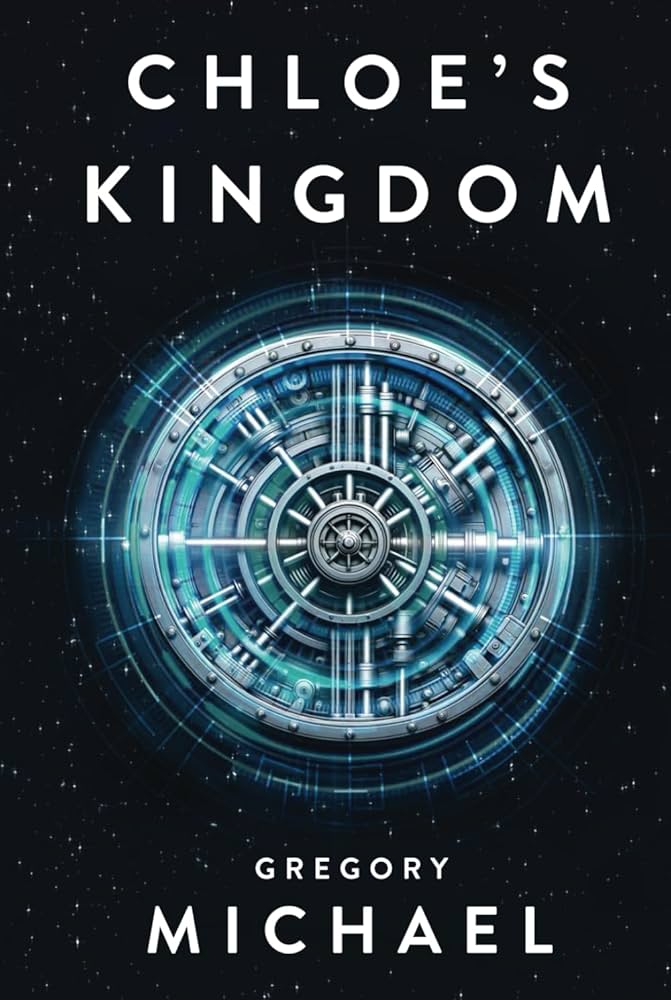
Chloe’s Kingdom might be my single most-read book review, and I think the book deserves the attention. It’s a blazing fast, light sci-fi read, a YA novel, and a heist novel, all packaged into one—and it features a raccoon named Mojito. And a lot of burritos. What’s not to love?
If you want to check out my original review for Chloe’s Kingdom, click here.
As for second place, I put…
The Saga of the Forgotten Warrior1
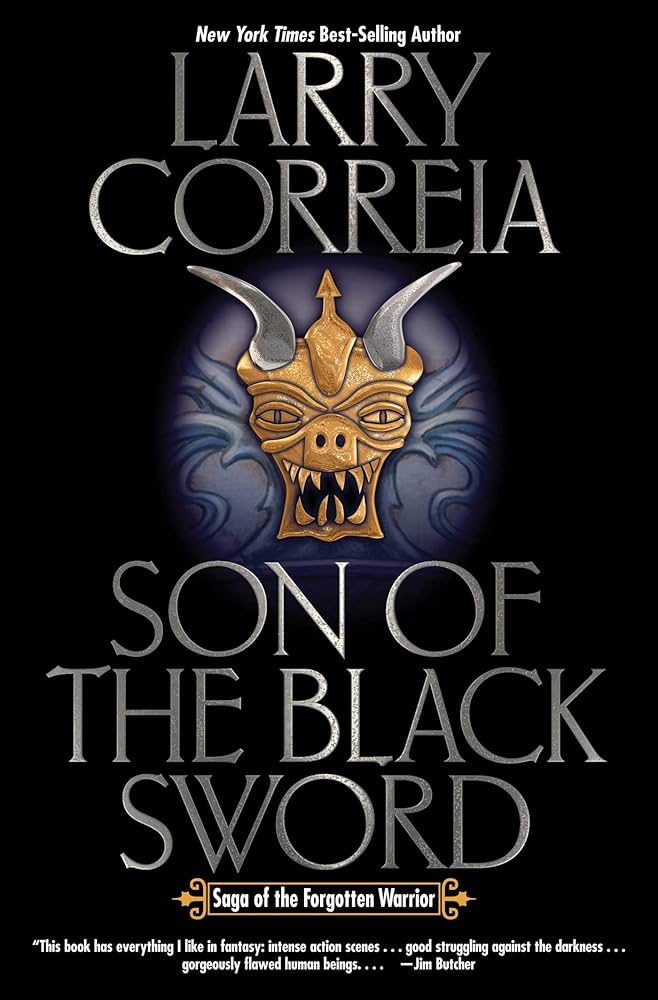
All right, fine, you got me—Saga of the Forgotten Warrior is a series, not a single book, so I’m cheating a bit here. And on my next entry. But if you’ve read these books, you won’t be able to blame me. Larry Correia’s foray into epic fantasy could not have been more successful, and I don’t want to pick any one of these books over the others. It’s all part of one overarching story, after all.
The world is interesting and well-realized. Almost every character is extremely distinct and compelling. The magic, the intrigue, the conflict, all superb. But, perhaps most impressive of all, there might not be an ounce of fat in this series, which can’t be said for maybe all other epic fantasy series. It reads extremely quickly, despite its length, and not a word feels wasted or indulgent.2
In other words, if you’re like me and you fell asleep reading about people walking endlessly in Wheel of Time, give this series a try instead. Ashok will not let you down.
My approach for reviewing the Saga of the Forgotten Warrior was a bit of a shotgun approach, but you can find my quick reviews here, here, and here.
And finally, the one… the only… the cream of the crop… The series that captured me like no other this year…
After Moses
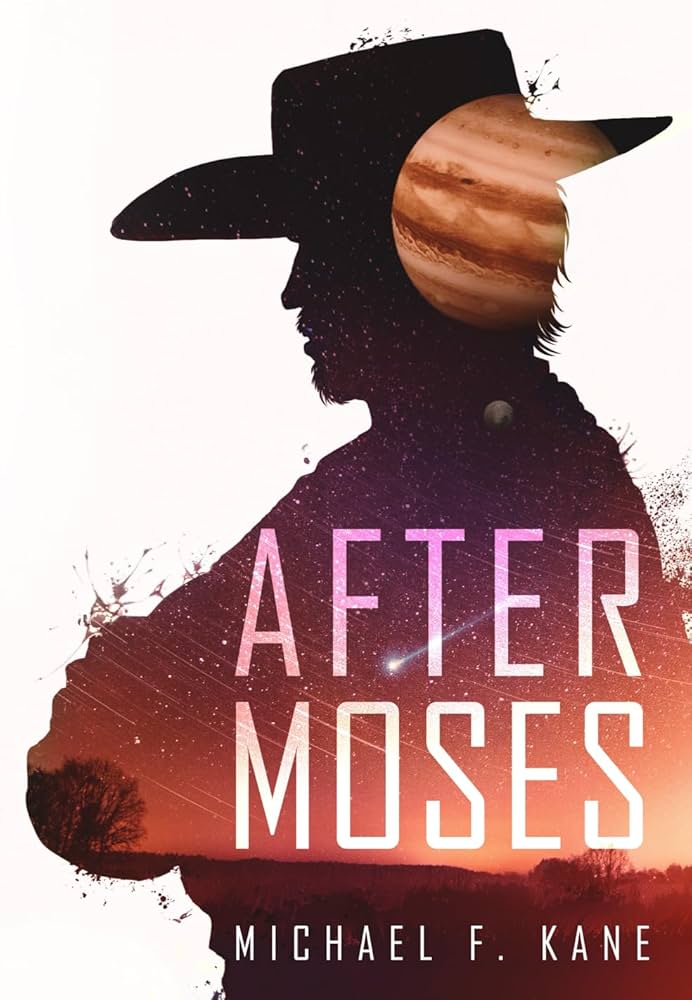
After Moses was… Good gravy. In a just world where our cultural institutions weren’t suspect at best, submitting After Moses to publishers would have resulted in a bidding war and been shortly followed by a film deal. It’s just that good.
But we don’t live in a just world, and Kane rightly skipped traditional publishing and went right to indie publishing (if I understand the story right).
Not that any book needs to be validated by such things, of course, to be excellent. To be honest, the “little” status of After Moses makes the series all the more precious when discovered—a diamond in the rough, like Matthew Cole himself, as well as the rest of the crew of the Sparrow.
Sci-fi western. Comparable to, but better than, Firefly. An excellent found family. Deplorable villains. Fascinating science fiction topics and concepts explored. Semi-hard. Each book is excellent on its own while also contributing very meaningfully to the overall story. Real, pulse-pounding conflict. Heroic protagonists that make you want to be better than you are now. After Moses has it all. And I’m not joking or exaggerating when I say that I’m looking forward to handing this series to my daughter when she gets older so it can be her formative sci-fi experience.
And I haven’t even read Evensong yet. That finale has an avalanche of expectations coming for it; thank goodness I’ve almost exclusively heard good things.
I first reviewed After Moses here. Prodigal and Wormwood came next, a double review, here. Finally, Virtus and Sanctum, here.
These are far from the only books I read this year, though, and most of what I read I thought was excellent. If you’re interested in checking out my thoughts on other books that I read this year, I’ll leave a clutter of options down below (in no particular order).
Top Reviewed Movies/TV of the Year
Of the seven television series (and a movie series) that I reviewed this year, in third place I put…
Knights of Guinevere
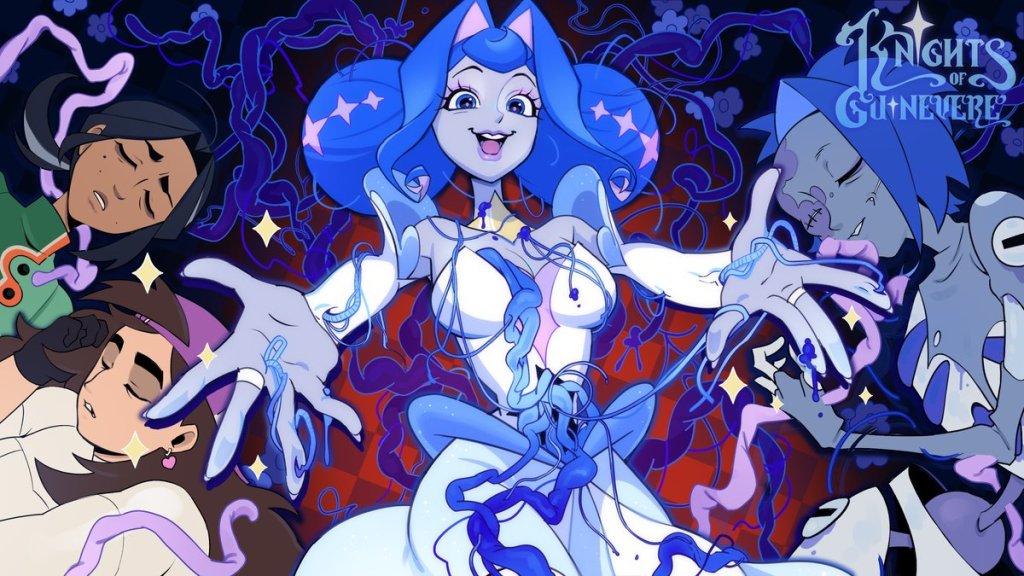
Sci-fi, psychological, gorgeously animated, with some effective (at least in the pilot) nontraditional character designs, I really liked Knights of Guinevere. I really, really hope it pans out in the long term as something more than just Dana Terrace’s platform to aggressively hate on Disney—or push her political views, as unfortunately started to happen in The Owl House. I think it has potential, but other shows have had promising pilots and then dropped the ball, so we’ll see.
You can read my review of Knights of Guinevere here.
The runner-up, second place, we have…
Space King
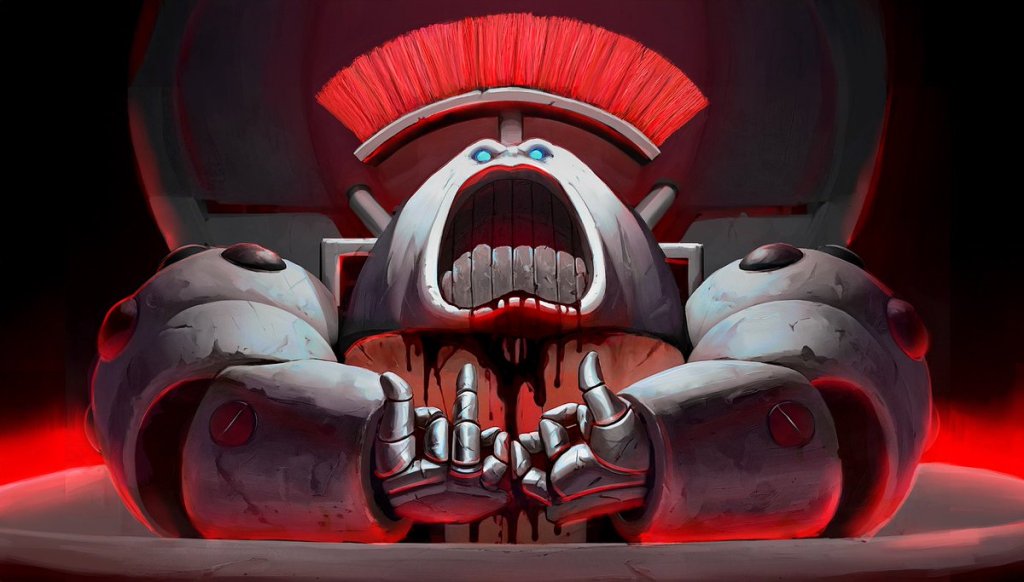
I don’t think Space King could have ever, in any world, been anything other than indie animated. It’s so… weird. But its weirdness, its unapologetic maleness (and sometimes male childishness), is a huge part of what makes it so good.
In hindsight, though, you can skip most of the first episode. It’s by far the weakest of the three out so far, and I think it leaves some bad impressions about what the next few episodes will focus on. I also recommend the YouTube versions of the show, which will save you from having to see… anatomy…
You can read my review of Space King here.
And now we’ve arrived at the one, the only, the irreplaceable…
Frieren
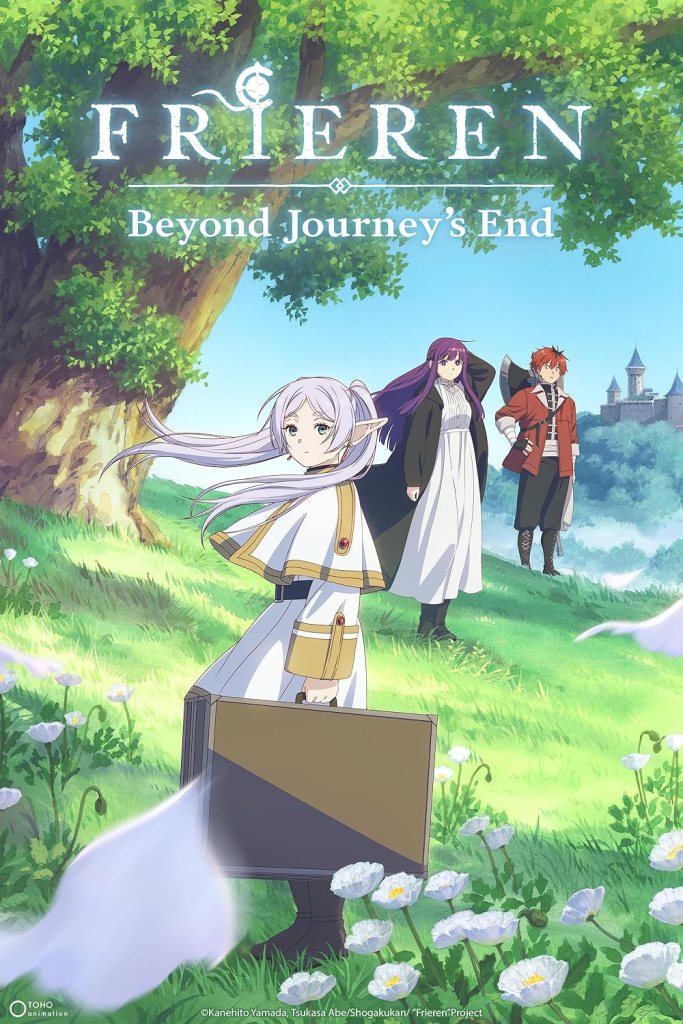
I usually can’t stand slice-of-life storytelling—but Frieren got me. The characters, of course, played a huge role in that—they are extremely endearing. The animation helped, too. But I genuinely enjoyed the show’s musings on the nature of relationships and the passage of time; the occasional magnificent battle against demons didn’t hurt, either.
You can read my full review on Frieren here.
Again, that isn’t the complete list of what I watched this year, and most of what I watched was pretty good. I’ll leave a clutter of other reviews below (no particular order).
I did not end up reviewing K-Pop Demon Hunters, for some reason, so I’ll just mention here that I quite liked it. If I had reviewed it, it probably would have beaten out Knights of Guinevere.
Top Articles of the Year
Somehow I got around to writing sixteen articles this year. Granted, some of them aren’t as formally articles as others—some probably lean a little too much into being a rant, which I’m working to improve on—but I still felt it worth my time to expound on a topic that I thought was important, so I’m including anything that might be considered an article, even if it’s a stretch.
Anyway. I’m going to approach this list a little differently than the former lists. First, I’ll share my favorite article of the year, then I’ll share the three articles that, so far as I can tell, got the most attention (in no particular order).
Masculinity (and Books) (My Favorite)
I was surprised by the number of articles I’d written in response to my friend Tanner’s substack. This article was written in response to Boy Initiate: The Forgotten Arc of Male Becoming in YA Fiction.
Men (and boys) are very poorly served in modern fiction. It’s a bit better for them in sci-fi than fantasy (or, worse, YA), and indie is generally better than traditional publishing, but it’s still not good.
And boys need books. So do men.
Done with Brandon Sanderson (Most-viewed #1)
Brandon Sanderson was once my favorite author. I bought all of his books (hardcover), I backed two of his Kickstarters (Secret Projects and Cosmere TTRPG), and I even attended his lecture class at BYU and auditioned for his small class—and got in. Warbreaker and The Way of Kings remain among my favorite novels, and I still deeply respect how much Sanderson freely gives to teach aspiring authors the craft and the business—his online courses alone are invaluable.
He’s also a cautionary tale. I’m not alone in watching Sanderson’s ponderous fall from grace. Don Beck has an excellent open letter to Sanderson on this topic.
But I learned of Beck’s open letter through Tanner’s Substack and, for succinctness, I actually want to quote Tanner on this topic:
Sanderson used to be one of my favorite authors. I can still remember going to his Dragonsteel convention when “The Lost Metal” came out and he gave this speech about “the gloves are coming off” and how he was at a point in his career where he didn’t need to listen as much to the editors in New York who were telling him to keep each book self-contained. I remember feeling sad, because I knew this shift would lead to a lessening of the air mystery and magic that I’m looking for in fantasy. Since that speech, his books have become more scientific than mystic. His themes have become less exploring different historical viewpoints and more enforcing postmodernist ones. His language has gotten clunkier. Every third paragraph of “Wind and Truth” felt unnecessary. I didn’t even finish the book, and “Way of Kings” is one of my all-time favorites.
Sanderson didn’t used to be clunky; his books didn’t used to evoke much more of a sci-fi feeling of curiosity over mechanics, rather than a fantasy sense of wonder and mystery. His books once were all amazing standalones (or part of a “stand-alone” series) that still contributed to an overall, behind-the-scenes narrative; a lot of that has been lost with time, in addition to fan (or detractor) quibbles of style and preference gradually becoming real flaws.
Anyway—I’m allowing myself to continue arguing my frustrations with Sanderson, despite that not being the real point of this post. My article is primarily focused on Sanderson’s politics, how he appears to have begun prioritizing modern messages (especially with regards to the alphabet soup) over the integrity of his worlds and stories.
Uninclusive, Uninviting, Insensitive, Unkind (is the Ideal) (Most-viewed #2)
With a clickbait title like that, I’m surprised this isn’t my most-viewed article.
I am sincere about the topic, though. The article itself is mostly focused on tabletop role-playing games, but I stand by the points in general. The ability to be offensive is good, even though being offensive is not appropriate in all situations. Gatekeeping is good, as it helps maintain identity and shared values—when done well. If these things are going to be mocked for being uninclusive, uninviting, insensitive, and unkind, then it appears that we live in a world where it’s virtuous to be uninclusive, uninviting, insensitive, and unkind.
What a bummer.
Self-Published Science Fiction Contest (SPSFC) (Most-viewed #3)
The Self-Published Science Fiction Contest shot itself in the foot by proving to care more about an author’s politics than about the content and quality of his story. They did this, specifically, by publicly booting Devon Eriksen (author of Theft of Fire) from the contest.
Eriksen wasn’t even aware that he’d been entered into the contest in the first place. Either one of his wives or one of his fans had entered his book on his behalf.
In this article I chronicled a portion of the events that took place, as well as heavily criticized the hypocrisy of the SPSFC. Amazingly, the contest took place again this year, although, as I understand it, it had far fewer participants, far shorter reach, and stepped very lightly around political topics. It was too late, though—they’d already shown their colors.
Unlike with books and shows, I’m not going to leave links all of the articles that I’ve written this year. I’ll share a few more that I think are either particularly relevant or that I’m proud of and leave it at that.
Letting Go, Moving On (From Beloved IPs): Focused on Dungeons and Dragons, this article explores the need to let go of brands and IPs after they’ve been acquired by entities that don’t respect them, or that otherwise fail in their stewardship.
Let it die. Go find a spiritual successor who respects you, the story, and the world.
Cancelled, and Lessons Learned: I got cancelled for defending an author named Jordan Lee who stated the obvious, which is that modern major publishers (and other institutions) are anti-white. I chronicled my experience here, the lessons I learned from it, and how I applied lessons I had previously learned from watching others get cancelled.
Turns out, cancelling only sticks if you let it. Especially if you’re independent; who’s going to fire you?
Absolute Reality/Truth: Another article written in response to something Tanner wrote, I get a little philosophical and share my thoughts on the nature of reality and truth.
In short, both exist in absolute forms and we have a responsibility to seek them out.
Other Posts Announcing Wins
This year, I published Inner Demon (on my birthday, no less), my second-ever (published) book. I was pretty proud of that. It wasn’t my most-viewed post, but it was up there, for which I am thankful.
Here’s the post, if you have any interest in reliving the experience with me.

Actual Stats
In 2025:
- I had over 750 visitors and over 1300 views, both records.
- My Homepage was the most-viewed page of my website. (Which might be a problem if that means people consistently touch that page and then leave the website entirely.)
- Of the various websites that y’all found me through, most came through Google or Duckduckgo, closely followed by X.
- August and November were my busiest months (as far as views are concerned).
- My best click-through rate for any email announcing a blog post was just over 50%. (That was not the average, unfortunately.)
Thank you for being here for the journey! I’m basically wrapped up for December, although I have one more surprise coming next week. Stay tuned.
2025 was a good year—and you can help me make next year even better by subscribing below.
Another way to support me is by checking out, or buying, my books. Inner Demon is a fantasy novel featuring found family and amnesia; The Failed Technomancer paints a picture of a post-apocalypse where robots are eating people. You can buy both books at the previous links, or you can read samples chapters here (Inner Demon) and here (Failed Technomancer).

 Boo Ludlow
Leave a comment